Fun Water Experiments for Kids at Home
Simple water tests like floating and sinking, making a rainbow in a glass, or watching how pepper scatters away from a drop of soap fill an afternoon with discovery. Most activities need nothing more than cups, food coloring, and a spoon, and each one runs about ten to fifteen minutes. While the kitchen turns into a science zone, parents who finally have a quiet moment often find themselves checking a sign up deal or spinning for a quick jackpot on their favorite online site.
- Floating and sinking – fill a bowl, drop in toys, and see what stays on top or sinks fast.
- Rainbow glass – layer colored water with a spoon and watch the colors stack up without mixing.
- Pepper scatter – tap soap into peppered water and see the flakes shoot to the edge.
Once the table is wiped and the last drop mopped up, adults often turn to small pleasures, like scanning for new free spins or watching a payout land just as the living room returns to calm.
Which water experiments keep kids engaged

Children will pour their full attention into hands-on water experiments that change with every step. Activities that include color, movement, and small mysteries hold focus longer than static demonstrations.
| Experiment type | Prep time (minutes) | Mess factor | Keeps attention for (minutes) | Main learning point |
|---|
| Floating paperclip challenge | 5 | Low | 10-15 | Surface tension |
| Rainbow jar layering | 10 | Medium | 20-30 | Density and mixing |
| Dancing raisins in soda | 3 | Low | 8-12 | Gas bubbles and buoyancy |
| Ice excavation with salt | 7 | Medium | 15-20 | Melting and freezing |
| Walking water with paper towels | 6 | Low | 12-18 | Capillary action |
The most reliable pocket of downtime comes just after the rainbow jar or ice excavation experiments, when kids are comparing results or cleaning up. That moment often sees parents scrolling bonus offers or spinning a quick slot, taking advantage of rare quiet before the next burst of activity.
A forgotten mug or a crayon edging off the table are quiet reminders that these pauses are brief. In this rare quiet, parents often reach for their phones, scrolling bonus offers or spinning a quick slot before the kids need them again. Some notice that Vulkan Vegas features jackpots which grow right before their eyes, adding a bit of excitement to the break. These short moments of calm are precious, helping everyone recharge before the next experiment begins.
How much setup and cleanup is needed
Buckets of water and kitchen counters rarely stay dry when science experiments are underway. The mess left behind can extend well beyond the sink if towels and trays are not used. Once the last splash settles, the real sequence begins:
- Lay down towels or a plastic sheet under the experiment area to protect floors and furniture.
- Collect all necessary materials–measuring cups, food coloring, containers–before starting to cut down on last-minute scrambling.
- After the experiment, pour out leftover water carefully to avoid spills in the sink or garbage.
- Wipe down all surfaces, including any nearby chairs that caught stray drops, and leave items to dry thoroughly.
- Gather up wet towels and trays for immediate washing, especially if food coloring or soap was involved.
Forgetting to check corners for stray puddles often leads to sticky floors hours later. A calm moment after cleanup, when the house is quiet, is when some parents finally scroll through online casino promotions or spin a slot, using that reclaimed peace for a small escape.
What makes water experiments safe and age-appropriate
Age recommendations shape which water experiments stay safe in a family home. Toddlers need simple activities with large objects, while older children can measure and mix without the same level of risk. After the mess is cleared and the kids are busy, parents often reclaim a quiet moment–sometimes by browsing online casinos, comparing bonuses or watching reels spin.
Choosing the right experiment for each age
Simple experiments with water, like pouring and mixing, suit children under six because they avoid choking hazards. Tasks that demand careful measurement or heat sources require more developed motor skills, which younger kids lack.
Clear containers, food coloring, and cups work for preschoolers. Adding marbles or coins is risky at that age because small objects can end up in mouths. Elementary-age children can handle siphoning or building simple water wheels, but only if sharp edges and boiling liquids are kept away. For tweens, layering liquids with different densities introduces a challenge that matches their patience and curiosity. After the last splash has dried, parents often enjoy their own quiet. Some fill that gap by browsing online offers, comparing welcome bonuses or watching reels spin while the house stays calm. The shift from noisy activity to silent screens marks a different kind of choice–free spins or a quick scratch card instead of another experiment to set up.
A common mistake is expecting all children to manage the same complexity. Water near electronics, whether for experiments or after, should be kept apart to avoid accidental damage.
Supervision and adapting for siblings
Water experiments often lead to spilled cups and quick changes when siblings of different ages join in. Only clear roles and clear boundaries keep every child engaged without accidents. After the chaos ends, the house settles and new routines emerge:
- Set up one water station per child, assigning the youngest the simplest tools such as squeeze bottles or small pitchers.
- Show older children how to monitor shared materials, stepping in if splashing gets rough or rules slip.
- Rotate roles so each child gets a chance to pour, stir, or measure, but only with tools safe for their age group.
- Use a visible timer to manage turns and prevent arguments over who gets the next experiment.
- Once the activity winds down, parents often find a moment to relax–sometimes by logging into an online casino, where quiet allows focus on choosing a slot or checking for a no-deposit bonus.
Smooth transitions help most when siblings expect different things from the same experiment. Adults notice that the sudden quiet after cleanup often becomes their cue to check casino bonuses or spin a slot for a few minutes before dinner.
Choosing activities by age keeps both young children and older siblings engaged without hazards. That same pause in the day gives parents space to focus on details like withdrawal limits or bonus terms before making a deposit online.
How parents can make the most of quiet time
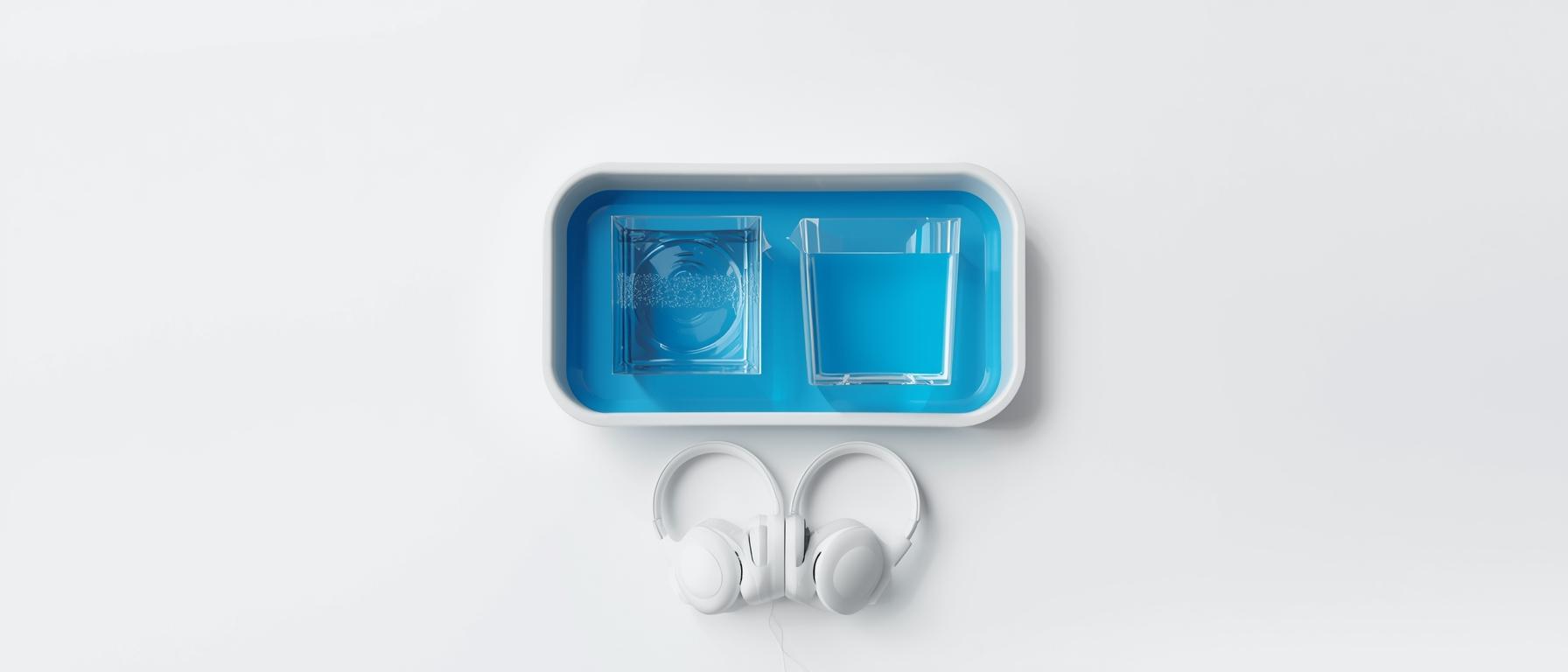
A stretch of quiet opens up when children are absorbed in water experiments, giving parents a rare chance to focus on themselves. Some catch up on reading or enjoy a quiet drink, while others reach for their phone and scroll through online casino sites, tempted by the promise of a quick spin or a new bonus offer.
Relaxing activities while supervising
Late afternoon brings a rare hush once the last splash echoes from the backyard. For many, that pause becomes a chance to recharge, especially after days packed with noisy water play.
Some parents settle onto a nearby bench with a book or a warm drink, keeping one eye on the puddles and another on the next chapter. Others scroll through their phones, catching up on missed messages or reading headlines. A quick glance at an online casino app sometimes fills the gap, especially when the living room is unusually quiet. Choosing which slot to spin can feel like a tiny decision that finally belongs to them, after hours of refereeing water fights and rescuing soggy towels.
Checking the details of a welcome bonus or reading about yesterday’s jackpot win adds a layer of novelty to the downtime. The ability to pause a game mid-round means interruptions–like a sudden shout from the hose–never ruin the experience. For some, the brief distraction of matching symbols or watching virtual reels spin brings a sense of control that the afternoon’s chaos lacked.
The best quiet time leaves parents refreshed enough to handle whatever mess comes next, while the worst leaves them more drained. Pausing a hand of blackjack or setting down a book at the right moment makes both worlds work together.
Exploring online entertainment options
After a day filled with water experiments, the sudden quiet often becomes a window for adults to explore online options that are rarely possible when the house is loud. Some parents drift toward quick entertainment sites, including online platforms that offer games of chance, simply for the brief escape and novelty they provide:
- bonus comparison – weighing sign up offers and ongoing rewards
- withdrawal speed – checking how fast winnings can be accessed
- licence details – confirming the site operates legally in the home country
- game variety – seeing if the platform offers more than just reels
- deposit limits – understanding what payment methods are supported
Mistaking flashy graphics for reliability leads to trouble when payouts stall or support vanishes. Scrutinizing the site's legal and financial details first prevents unwelcome surprises later.
Small wins on a slot or hunting for a special bonus can add a bit of excitement to a parent’s short break. Brief glances at the kitchen table keep supervision intact without giving up personal downtime.